

Local Defensible Space Requirements
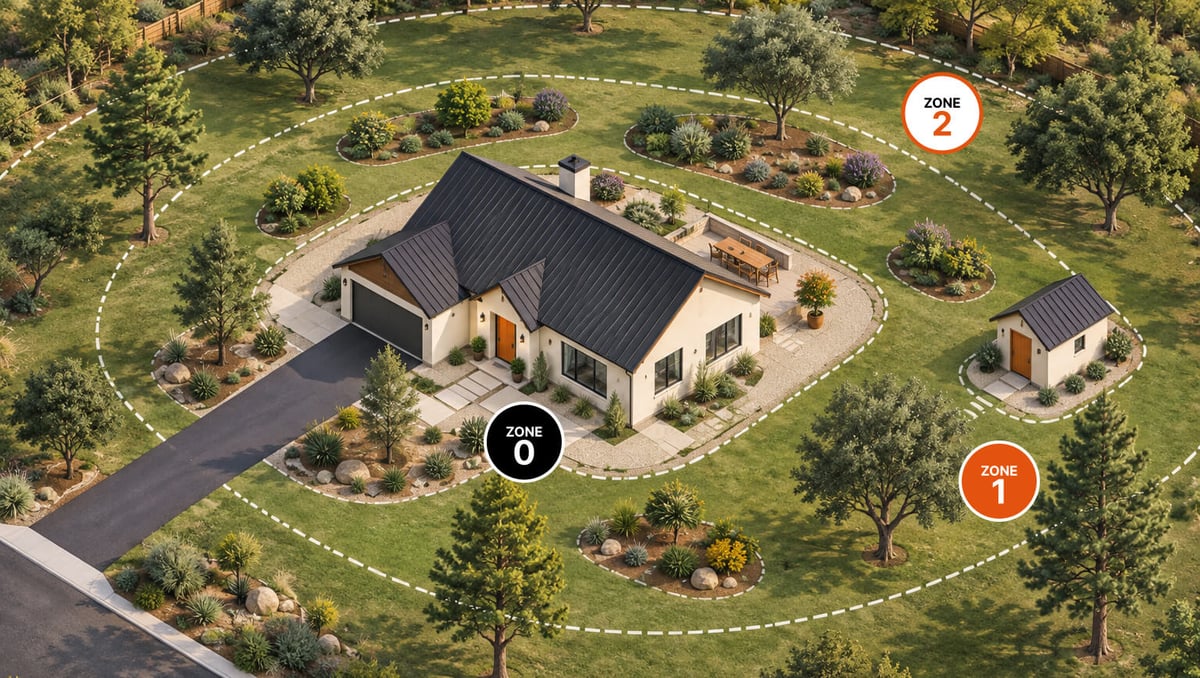
California's requirements start at the state level, but there may be additional requirements depending on where you live. Many local fire districts have already put defensible space requirements in place, including Atherton, Berkeley, Emerald Hills, Ladeira, Portola Valley, South Lake Tahoe, Venture and Woodside

The Insurance Connection
Homeowners who complete qualifying hardening measures may be eligible for insurance discounts under California’s Safer from Wildfires framework – and in some cases, may improve their ability to retain or obtain coverage altogether. Zone Zero provides documentation you can share with your insurer.
Why Should I Take Steps to Protect My Home?
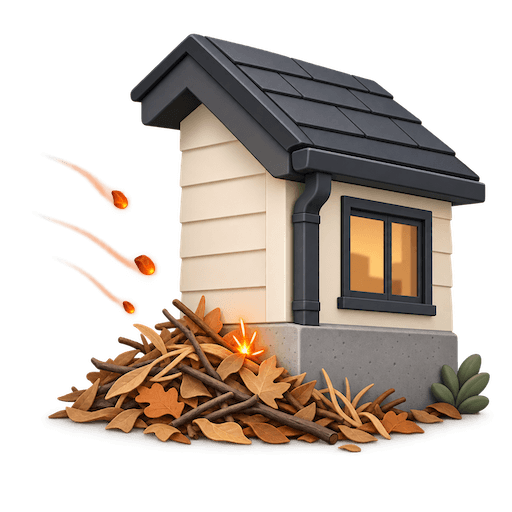
Fire risk
An uncleaned perimeter is fuel. Embers from wildfire are much more likely to set your house on fire

Be a good neighbor
If your house catches on fire, it is more likely to spread to your neighbors' property. When everyone in the neighborhood creates defensible space, the whole neighborhood is protected.
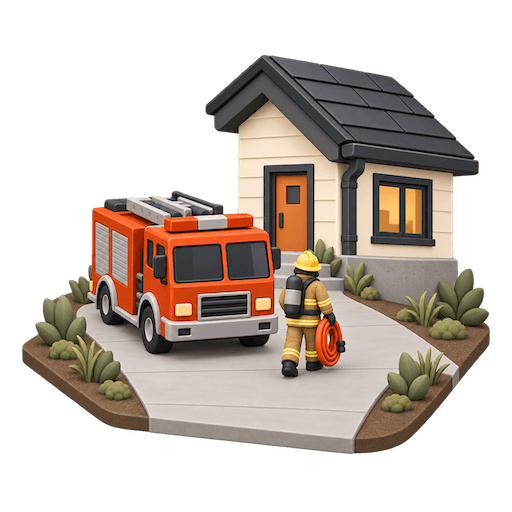
Help the firefighters
Defensible space helps firefighters protect your home, using clear access and buffer zones to safely defend any structure.
Failed inspection
Inspectors can require remediation on any property in a designated zone. Failing an inspection means formal notice and a deadline to comply.
Disclosure at sale
California law requires sellers in high and very high fire hazard zones to disclose defensible space compliance status to buyers.
Insurance consequences
Carriers are increasingly non-renewing policies in high-risk zones. A non-compliant property gives them grounds to cancel yours.